Rehearsal spaces

Urban Chronotopies Workshop (ACU) · RESEARCH · Presentation · UQAM

How do musicians rehearse?

A study of the spaces—official, repurposed, and precarious—where Montreal musicians practice.

Field

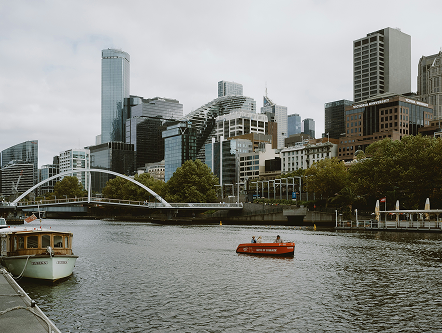
Montreal, QC · 45.50°N · TIOHTIÁ:KE Unceded Territories

Period

2021 → in progress

Questionnaire

2026

Coming soon…

◉ 45° 30′ 39.16″ N / -73° 33′ 54.29″ W

Research Notebook

§ 01 — THE PROJECT

From the kitchen corner
to the subway tunnel.

Type

Qualitative Research

Dir.

Martin Lussier, Professor,
Department of Social and Public Communication

Research Assistants

Charlet, Brethomé, Ph.D. candidate
Lucile Ouriou, Ph.D. candidate
Léa Desbiens, master’s student

Field

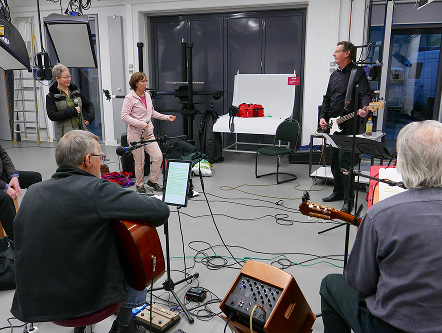
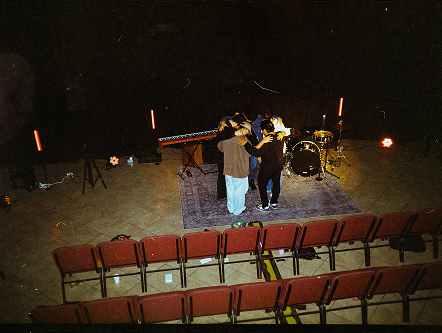
This research focuses on the rehearsal spaces used by musicians in Montreal, whether they are official (recognized venues, dedicated studios, etc.) or unofficial (repurposed spaces, squats, places of worship, homes, and everyday spaces). 

It aims to gain a more detailed understanding of the places, contexts, and times when musicians rehearse—from garages to professional studios, including, for example, a piano in a corner of the family kitchen or a subway tunnel.

RESEARCH FRAMEWORK

According to many figures in the music community, as well as some research, rehearsal spaces play a central role in the development of music scenes, as they serve not only as spaces for collective practice but also as venues for networking, leisure, and socializing. Others have highlighted the role of affordable rent for rehearsal spaces in the emergence of Montreal’s music scene on the global stage at the turn of the 2000s. Still others point out that having dedicated rehearsal spaces available affects rehearsal times, often making them longer and more regular.

In this context, this project aims to document the “less visible” conditions under which musicians work in Montreal, thereby shedding light on a significant portion of musical practices that remain in the shadows, as well as on the diversity of possible practices and the people involved in them.

RESEARCH OBJECTIVE

Q·01

Where do female musicians rehearse? Where do male musicians rehearse?

Q·02

How are these spaces shared among multiple groups?

Q·03

Under what material conditions are musical practices possible?

Q·04

When do the musicians rehearse in these spaces? What do they do there?

§ 02 — The Approach

Four types of

01

Quantitative

Online Questionnaire

Shared in Facebook groups for musicians, through music organizations, and in training programs.
Four main themes:
cCharacteristics of spaces, facilities, fattendance, artistic and demographic profiles

90 COMPLETED / 262

2021–2022

02

NETNOGRAPHY

Online Documentation

Monitoring how these spaces are described online when people are looking to share, rent, or find them. Collecting listings and descriptions circulating on major social media platforms.

Live

Anonymized

03

Qualitative

Interviews

A series of interviews aims to gain a more detailed understanding of the characteristics of these spaces, their uses, the activities that take place there, and the relationships that develop within them.

16 interviews

2022–2024

04

Documentary

Audio-Video Recording

Over the coming months, audio-visual recordings will be made to document the wide range of contrasting experiences associated with these rehearsal spaces. These recordings will shed light on practices and spaces that generally remain hidden from view.

In Progress

2025–2026

§ 03 — Media Monitoring

What we read—
, and elsewhere.